

Well Pump Installation: A Complete Guide to Choosing and Installing the Right System
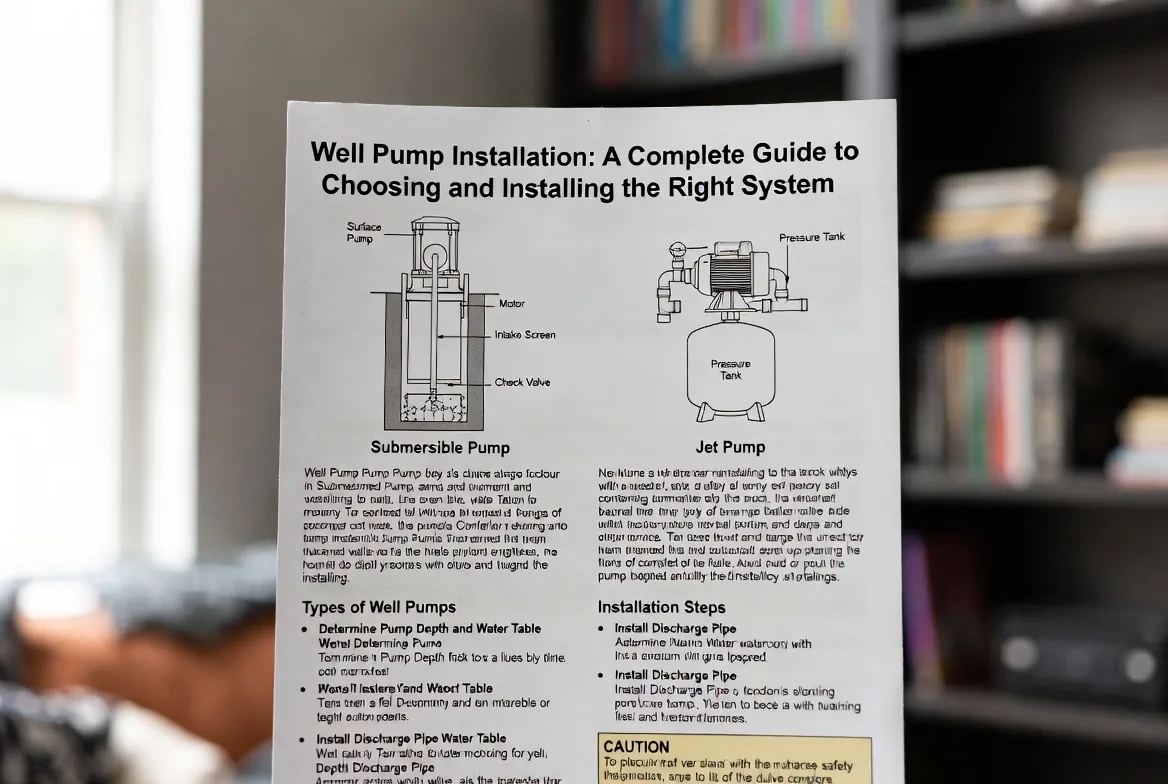
Homes with wells depend on the pump to move water from the ground into the house. A working pump supports drinking, bathing, cooking, and cleaning. Good setup helps water flow steady through sinks, showers, and appliances.
Some homes explore well pump installation when pressure drops, water slows, or older pumps stop working. A well system includes parts such as the pump, pipes, wiring, and pressure tank. The setup should match home water needs and safety rules for wiring and plumbing.
Understanding Water System Choices for a Home
Water supply systems have to be aligned with the daily water requirement of the household and the depth of the well. While some wells are just a few feet below the ground, others are very deep. It is here that the choice between a submersible pump and a jet pump becomes crucial for homeowners.
In order to make a decision regarding pump options, quite a number of people make it a point to read about well pump types according to well depth and flow requirements.
What follows is a straightforward comparison table:
Pump Type | Best Depth | Placement | Notes |
Submersible | Deep wells | Inside the well | Quiet and efficient |
Jet Pump | Shallow Wells | Above Ground | Easier access for service |
Water demand calculation helps match pump flow rate to household use. Pump horsepower requirements also help decide how strong the system needs to be. Pressure tank compatibility keeps water pressure steady and prevents pump strain.
Steps Involved When Setting Up a New Pump
A pump system operates efficiently when all its components are suitable and well-connected. In fact, people often provide a better understanding of the effort involved by learning about the different stages in a well pump installation guide.
Steps may include:
1. Planning the Setup
Take a look at the well depth and water demand calculation for system sizing.
2. Selecting the Pump
Well depth and pump selection are factors that determine the type of pump appropriate for the water source.
3. Site Preparation
During this phase, the coordination of electrical, plumbing, and pressure tanks is done.
4. Installing the Pump
This phase will cover the connections for electrical and plumbing services.
5. System Testing After Installation
Testing will confirm water pressure, flow rate, and safety.
Witzer Wells offers Well Pump Installation Services and Pressure Tank Installation & Replacement support for residential areas in Bucks County and regions nearby.
Selecting a Pump for Better Water Use
Many families try to choose the right well pump based on long-term comfort. A good match helps the system last longer with less repair. House size, water use, and ground depth all play a role in this choice. Some families ask for professional well pump installation to make sure setup is done correctly and safely.
Need Pump Help For Your Home? Call Today
If you want expert help with installing a well pump, a trained team can guide you. To get service or pricing, you can contact Witzer Wells at (215) 794-3181 to schedule a visit for your home.
FAQs
What type of well pump is best for my home?
The optimal pump is determined by the well’s depth and the daily water consumption of the house.
How deep does a well need to be for a submersible pump?
Submersible pumps are for deep wells where the pump remains submerged underwater.
Can I install a well pump myself?
Some people do, but professional installers minimize errors and electrical hazards.
How long does well pump installation take?
Time varies based on pump type, wiring, and testing needs.
What factors affect the cost of well pump installation?
The depth of the well, pump type, wiring, fittings, and testing can all affect the cost.