
Comprehensive Well Inspection Services: How Experts Evaluate Your Entire Well System?
A home well brings water for drinking, cooking, cleaning, and everyday comfort. For the well to work well, it must be checked on a regular basis. A full inspection helps find small problems before they become big repairs.
Many homeowners request comprehensive well inspection services when buying a home, noticing changes in water flow, or planning preventive care. With a full inspection, families learn how healthy their system is and how well the parts work together. Witzer Wells supports homes in Pennsylvania and nearby areas with expert service and detailed reports.
Key Areas Professionals Look at During a Well Check
The inspection encompasses a number of interrelated sections of the well. This allows the inspectors to have an idea about the way water finds its way from underground to the house. Different parts of the inspection indicate different things concerning protection, durability, or system fatigue.
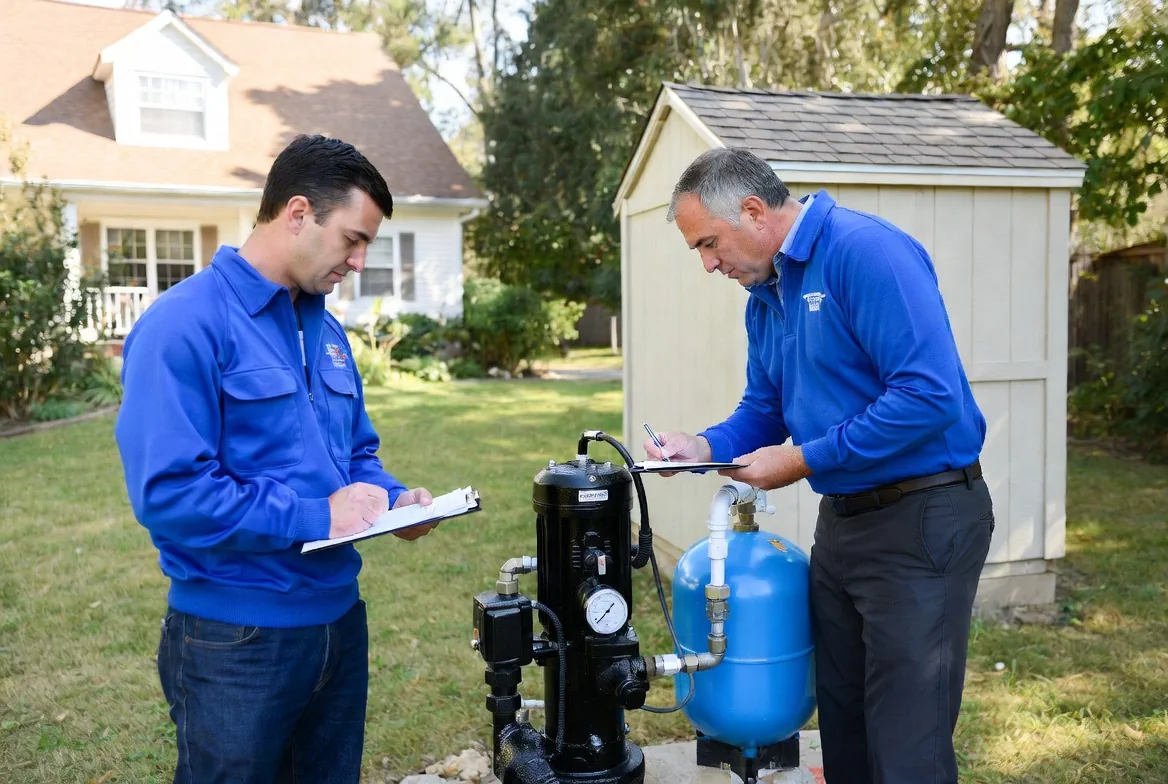
A significant component of the inspection is a well system inspection, which contributes to a thorough evaluation of the entire well system, as well as the assessment of the well pump and pressure tank, resulting in a clearer understanding of the system’s operation.
The inspectors might say:
- Age and condition of system parts
- Changes in water movement
- Fit of pipes and fittings
- Signs of surface wear or cracking
Testing Water Flow, Pressure, and System Output
The wells are required to provide water with a constant rate and power. The testing indicates the capability of the system and its performance with daily use. Certain investors request the help of well experts when the water is perceived to be slow, uneven, or weak.
Inspectors might get help from water flow and pressure testing and electrical and mechanical inspection in the performance and efficiency analysis.
The following are considered the major determinants of a system’s performance:
- Water pressure while the system is operated normally
- Pump cycling and intervals
- Tank response times
- Pressure drops when there’s a demand for water
Inspection Steps That Build Trust and Safety
Inspections are a great source of family safety along with family knowledge. The last verification examines possible dangers to the system’s strength and water quality as well as its lifespan. This is a crucial phase for all wells, be they new or old.
To promote the safety of the well system through inspections and preventive maintenance, inspectors adhere to a well inspection process.
The common things that are noticed at this time are:
- Wiring protection and caps
- Seal tightness around plumbing fittings
- Ground space around the well head
- Protection from animals and debris
Using a Checklist for Better Planning and Repairs
To avoid missing key parts of the well, many inspectors use written forms to track what they see. A well inspection checklist supports detailed inspection reports that help homeowners understand urgent needs and future care. These reports help with planning for System Diagnostics & Repairs or scheduling Comprehensive Well Inspection Services during the year.
Schedule a Complete Well Review With a Trusted Team
If you want help with preventive care and system testing, you can speak with a trained team in your area. For appointments and questions, contact Witzer Wells at (215) 794-3181 for inspection support.
FAQs
What does a comprehensive well inspection include?
It includes checks of pumps, tanks, wiring, water pressure, and flow levels.
How long does a full well inspection take?
Timing depends on system size, depth, and testing needs.
When should I schedule a well inspection?
It is often scheduled when buying a home or noticing pressure changes.
Can inspections identify hidden well system problems?
They help detect issues with flow, wiring, and mechanical wear.
Is a professional well inspection worth it?
It can prevent costly repairs and support long term system performance.